Is the box still closed?
Updated September 2026
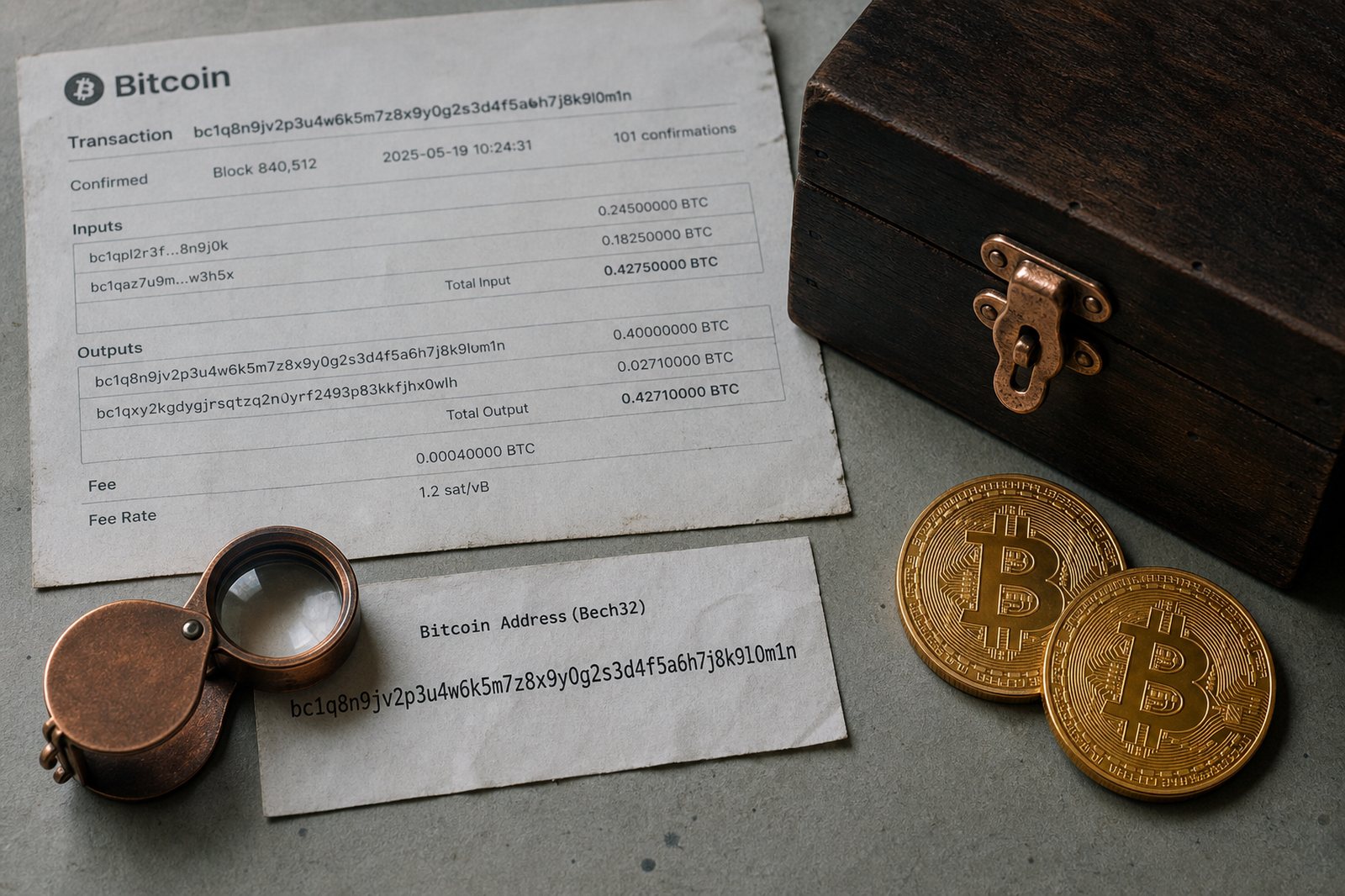
Until you spend from a hash-based address, the public key is not on the chain. Paste an address. The result is closed or open, in the same language as the rest of this site.
Check an address
This looks up public transaction history on blockstream.info. Addresses are public by design. Never paste a seed phrase or private key. The request is real, unlike a fully offline calculator.
How to read the result
Closed means a 1, 3, or bc1q address that has received coins and never spent. Only a hash is public. Open means a prior spend published the key, or the address is Taproot, which publishes the key on arrival. Empty addresses have nothing to observe yet.
Open is not an emergency. No quantum computer can use that published key today. It is the category the 2026 conversation is actually about. If you want hygiene, not panic, move leftover coins to a still-closed address.
Quick answers
- What does closed mean?
- A hash-based address that has never spent. Only a hash of the public key is on-chain.
- What does open mean?
- The public key is already visible: a prior spend, or Taproot, which publishes the key on receipt.
- Does this tool upload my seed phrase?
- No. Paste an address only. The lookup goes to blockstream.info. Never paste a seed or private key.